Introduction:
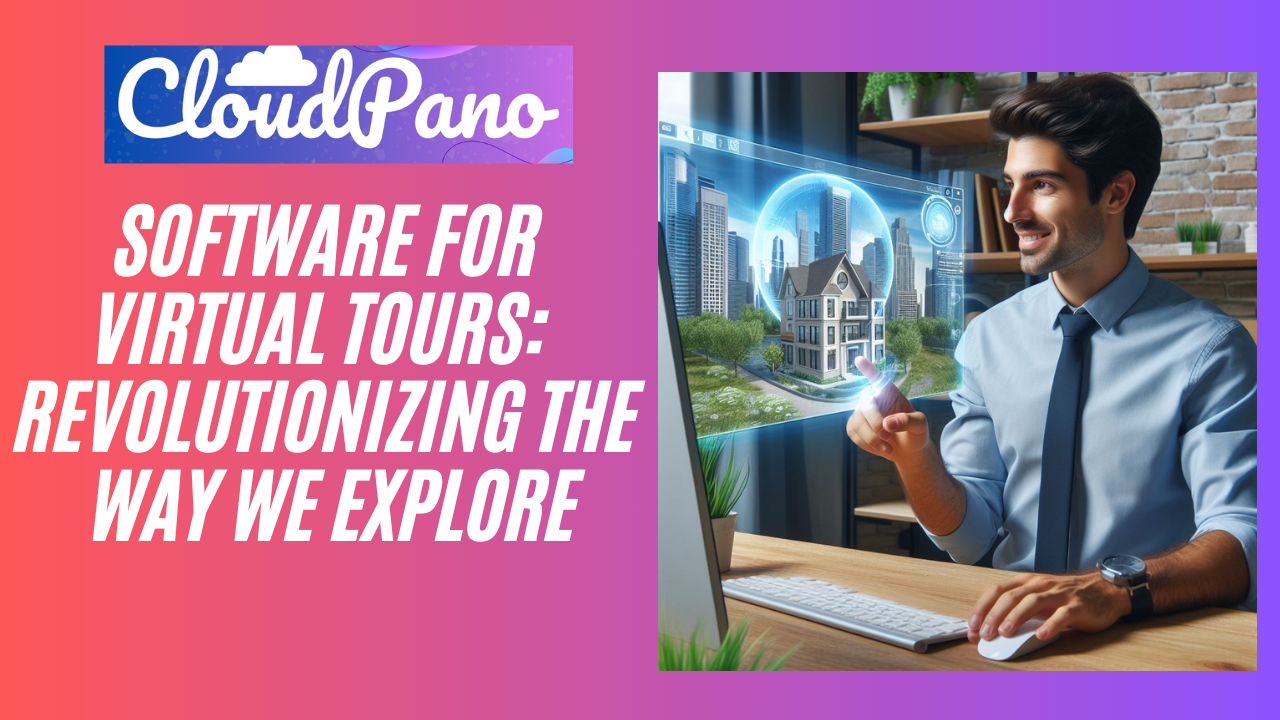
In the digital age, where technological innovation continually shapes our interactions with the world, software for virtual tours has emerged as a revolutionary force, fundamentally transforming the way we explore and experience our surroundings. This article delves into the profound impact of virtual tour software, unveiling how it has become a catalyst for redefining our exploration of spaces, destinations, and experiences.
Unparalleled Immersion:
The advent of cutting-edge virtual tour software has ushered in an era of unparalleled immersion. Gone are the days of static, one-dimensional visuals. Today, users can navigate and explore virtual environments with a level of realism that was once unimaginable. This immersive experience bridges the gap between the physical and the digital, offering a truly engaging exploration.
Personalized Journeys:
Virtual tour software has introduced a new dimension of personalization to our exploration endeavors. Users can tailor their virtual journeys, choosing paths, exploring specific points of interest, and even interacting with elements within the virtual space. This customization ensures that each virtual tour becomes a unique adventure, adapting to individual preferences and creating a more meaningful connection with the content.
Revolutionizing Travel Exploration:
The impact of virtual tour software on the travel industry cannot be overstated. It has redefined how we explore destinations, allowing users to embark on virtual journeys to far-flung places. Whether it’s walking through ancient ruins or strolling along exotic beaches, virtual tour software has become a passport to global exploration from the comfort of our homes.
Architectural Visualization and Real Estate:
In the realms of architecture and real estate, virtual tour software has become an indispensable tool. It enables professionals to create immersive virtual tours of properties, giving potential buyers a realistic sense of the space. This not only streamlines decision-making in property transactions but also enhances the overall experience of exploring potential homes.
Educational Expeditions:
Virtual tour software has found its way into education, offering students the opportunity for immersive learning experiences. Educational expeditions to historical landmarks, museums, and natural wonders are now accessible with just a click. This innovative approach broadens the horizons of traditional learning, making education more engaging and accessible.
Business Showcases and Virtual Exhibitions:
For businesses, virtual tour software provides a dynamic platform for showcasing products and hosting virtual exhibitions. Whether launching a new product or hosting a corporate event, businesses can create interactive and immersive experiences that captivate their audience and leave a lasting impression.
Conclusion:
Software for virtual tours stands as a transformative tool, revolutionizing the way we explore and interact with our surroundings. With its ability to offer unparalleled immersion, personalized journeys, and applications across various industries, virtual tour software has become a catalyst for a new era of exploration. As we navigate an increasingly digital world, these innovative technologies continue to redefine how we connect with spaces, cultures, and experiences, opening up a realm of possibilities for the future of exploration.